Lawn Mowing in Lee
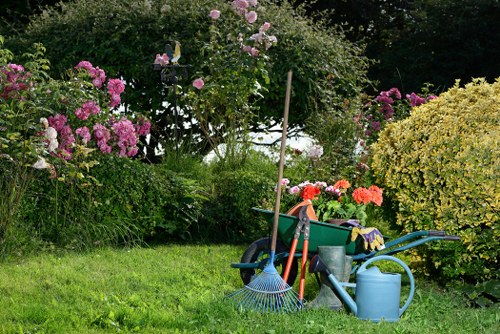
Our lawn mowing in Lee is built around clean, even finishes, sensible cutting patterns and a tidy presentation that suits front gardens, rear lawns and shared outdoor spaces. We keep the service focused on the practical work most customers need: mowing grass to the right height, managing clippings carefully and leaving edges looking deliberate rather than rushed. If your lawn is a regular feature of the property, this is the straightforward way to keep it under control through the growing season.
Alongside the mow itself, we can support the surrounding details that make the result look complete. That includes light trimming at edges where a mower cannot reach cleanly, and a careful approach around paths, borders, steps and ornaments. We aim to balance neat appearance with healthy lawn care, avoiding unnecessary stress on the turf. If you are comparing options, consider what matters most: visual finish, regular upkeep, or a one-off tidy-up before visitors arrive.
To request a quotation, use the details on the site and tell us the lawn size, the condition of the grass and any access points that may affect the work. A simple description is usually enough to begin with, but photos can help when a garden has uneven ground, tight side access or areas that need extra attention. The clearer the brief, the easier it is to give a useful price guide. If you are ready, make an enquiry and we will take it from there.
Regular Grass Cutting and Seasonal Lawn Care
Regular mowing keeps grass looking controlled rather than overgrown, and it also helps the lawn develop a more consistent finish over time. The right cut depends on the type of grass, the time of year and how quickly the lawn is growing. Cutting too much at once can leave the surface patchy, so a sensible service should be paced according to conditions. For many customers, the main decision is whether the lawn needs an ongoing schedule or an occasional tidy-up.
Our service can suit both routine and less frequent visits, provided the job is clearly described. When a lawn has become long, it may need a slower first cut before any finer finishing work is attempted. That approach is often better than forcing the grass down in one pass. If you want the lawn to look sharper between visits, edging and clipping control can make a noticeable difference even when the grass itself is already healthy.
For enquiries, it helps to note whether the area is open, sloped, divided by beds or shared with paths and paving. Those details do not need to be lengthy, but they do help with planning the mowing method. A concise note about the garden layout, plus any access limits, is often enough to prepare an accurate quotation. If you are comparing regular maintenance with one-off grass cutting, start by deciding how quickly the lawn tends to grow.
Mowing Care for Front Gardens, Back Lawns and Shared Spaces

Different parts of a property can call for slightly different mowing approaches. Front lawns often need a cleaner visual edge, while rear lawns may be more about practical upkeep and safe movement around the garden. Shared outdoor spaces can need a more measured finish so that the grass, borders and walkways all look orderly together. A good mowing service should adapt to the layout rather than treating every surface the same way.
We can help with lawns that have defined edges, mixed planting around the perimeter or narrower areas that need careful manoeuvring. In tighter spaces, the quality of the finish often depends on how well the mower is handled around obstacles and how neatly the final trim is completed. Attention to the edges matters because that is often where a garden first looks neglected if the rest of the grass is cut well.
When asking for a quotation, it is useful to mention if the area is separate from the main lawn, if gates or side access are narrow, or if there are items that need to be worked around. The aim is not to make the request complicated; it is simply to make sure the mowing method suits the setting. If the property has more than one lawn area, list them briefly so the scope is clear from the outset.
H3: Edging, Clipping Control and a Sharper Finish
Small finishing details can change how a lawn reads from the house, the pavement or the garden seating area. Edging along borders, paths and driveways helps separate grass from hard surfaces, while sensible clipping control prevents cuttings from being left in obvious patches. Some gardens benefit from a crisp outline; others need a softer finish that still looks tidy without overworking the turf. The right result depends on the layout and the condition of the grass.
Where the lawn meets flower beds or shrub borders, a careful cut helps keep the whole garden looking joined up. This is especially useful when the grass is cut regularly, because neat edges make each visit more effective. A lawn that is mown well but left with messy margins can still look unfinished, so these details are worth planning from the start. Good finishing is not decoration; it is part of the service.
If you are seeking a quotation, mention any places where edging is especially important, such as a main path, a patio or an entrance area. You can also say whether you want the grass cut only, or cut with a more complete tidy-up around the borders. A short description is enough. Use the enquiry route provided on the site and include the best way to view the garden if more detail is needed.
Lawn Condition, Height and Cut Frequency
Not every lawn should be cut in the same way, because the condition of the grass affects both the finish and the method. A lawn that is kept short and regularly maintained usually needs a straightforward pass with careful edging. A longer lawn may need a more gradual cut to avoid scalping and uneven results. If the grass is damp, very dense or mixed with weeds, the work may need to be approached more cautiously to protect the surface.
Cut frequency is one of the most important choices for customers. Some prefer routine mowing at set intervals, while others want a visit only when the lawn begins to lose shape. The best pattern depends on growth rate, weather and how the garden is used. Regular mowing often creates the neatest look, but a one-off cut can still make a strong difference when the grass has been left for a while and needs bringing back under control.
When you ask for a quotation, it is helpful to say whether the lawn is currently short, average or overgrown. You do not need to measure every section unless you want to, but a clear description avoids assumptions. If there are patches of difficult growth, slopes or sections that are hard to reach, mention them too. That lets the service be priced against the actual work, not just a rough idea of the garden.
Included Garden Tidy Work Around the Lawn
A mowing visit can sometimes be more effective when the immediate surroundings are also dealt with sensibly. Light tidy work around the lawn may include cutting back a little growth near edges, reducing the untidy look of overhanging grass and making sure borders are easier to separate from the main lawn area. The aim is not to turn every visit into a full clearance, but to leave the grass area looking deliberate and usable.
Where grass has spread into paths or the lawn has soft edges, a careful tidy can help restore definition. This is useful in gardens that are well cared for but have become a little uneven between cuts. It may also suit properties where the lawn is the main visible part of the garden and needs to present well from the house. A consistent finish often depends on handling both the main cut and the surrounding line of the lawn.
For quoting, it is sensible to mention any areas of spillover growth or boundary grass that affect the overall appearance. If you only want mowing, say that plainly; if you want a more complete tidy-up around the cut area, include that too. Keeping the request specific helps avoid misunderstandings and makes it easier to arrange the right amount of work. Clear scope leads to a better quotation.
Hedge Trimming and Related Garden Maintenance

Some customers prefer to combine lawn mowing with other maintenance tasks so that the garden is managed in a more joined-up way. Where relevant, our site also offers related services such as hedge trimming and broader garden maintenance. These can help if the lawn is only one part of a larger upkeep plan and you want the garden to look consistently cared for rather than improved in isolated patches.
Hedges and lawns often affect one another visually. A neatly cut lawn can still look busy if the boundary growth is left unchecked, while a trimmed hedge can make a small lawn feel more open and orderly. Garden maintenance may also be the better option when the lawn is not the only area needing attention, because it allows several routine tasks to be handled together. If you are considering more than mowing, compare the scope carefully so you only ask for what is actually needed.
To request a quotation for a combined job, list the lawn first and then the other areas in a simple order. If the garden includes hedges, borders or additional maintenance concerns, a short note on each one is more useful than a long description of the whole property. That keeps the enquiry practical and makes it easier to assess the work without overcomplicating it.
H3: Why Garden Layout Affects the Mowing Approach
Layout matters because it changes how easily the mower can move and how cleanly the lawn can be finished. A simple open rectangle is usually straightforward, but a garden with narrow runs, curved borders, steps or divided sections may need more trimming and a slower pace. The same lawn can take quite different effort depending on how many turns, edges and obstacles are involved. A sensible service should account for that rather than assuming every job is identical.
Surfaces around the grass also play a part. Patios, paving and paths can make edge work more visible, which is why a tidy border often improves the whole appearance of the garden. In some cases, the customer may want the main grass area kept short while the edges are left naturally softer; in others, a sharper look is the priority. These are ordinary practical choices, but they make a real difference to the finished result.
If the layout is unusual, a brief note in the quotation request is helpful. You can mention slopes, tight corners, raised beds, gates or anything else that affects access and finish. There is no need to explain every feature in detail. The point is simply to help the mower and the garden work together properly, so the visit is planned around the site rather than against it.
About Lee
Lee is an area in south-east London that sits within the borough of Lewisham and has a long-established identity as a residential district with important transport links. The name is historically associated with Lee Green and the wider area around the River Quaggy, while the nearby Lee Valley gives the locality a connection to the broader landscape of south-east London and north-west Kent. Over time, Lee developed from a village setting into a suburban part of the capital, shaped by rail travel, local roads and the spread of housing in the nineteenth and twentieth centuries. The district includes a mix of older streets and later development, which gives it a layered built character rather than a single architectural style. St Johns and Lee Green are among the better-known local references, and the area’s everyday life is tied to its shops, schools, green spaces and route connections. Grove Park lies nearby, and the surrounding part of Lewisham contains a range of parks and open spaces that support the neighbourhood’s suburban feel. Lee is also connected to the wider story of south-east London through historic parish boundaries, changing local government arrangements and the gradual shift from rural fringe to urban district. That combination of history, transport and residential character continues to define the area today, making it distinct from nearby places while still closely linked to the larger London context.
Landscaping and Outdoor Improvements
Where mowing is only part of the project, landscaping can help improve how the lawn sits within the rest of the garden. That might involve shaping the area around the grass, adjusting the way borders frame the lawn or planning a more balanced layout for the outside space. The aim is to make the garden easier to maintain while also improving the way the lawn is seen from key viewpoints such as doors, windows and seating areas.
The landscaping service listed on the site can be useful when a lawn has become awkward to manage because of the surrounding design. In some cases, a clearer edge, a better surface transition or a small structural change can make mowing simpler in the long term. Practical improvements often save more effort than repeated patch-up work. If the garden feels difficult to keep tidy, it may be worth thinking beyond the cut itself and looking at the overall arrangement.
If you are asking for pricing, say whether you need mowing only or whether the project includes broader outdoor work. Clear notes on the current condition and the intended result help keep the quotation realistic. You do not need to present it as a full plan. A short summary of the lawn, the surrounding area and the type of finish you want is usually enough to start the conversation.
Pricing Factors and Quotation Details

The cost of lawn mowing is usually shaped by the size of the area, the amount of cutting needed and how straightforward the garden is to access. A small, regularly maintained lawn is different from an overgrown or awkwardly shaped one, even if both are in the same postcode area. Features such as steps, narrow side access, multiple grass sections or boundary growth can all affect the time required and the method used.
When preparing a quotation, it is sensible to be direct about what you want done. State whether the request is for a single visit or a recurring arrangement, whether edging is required and whether there are any obstacles that may slow the work. A well-written enquiry does not need to be long. It simply needs enough detail to describe the job honestly so the price reflects the actual scope rather than an assumption.
If you would like a price, send through the basic details and make it clear whether the lawn is for a regular cut or a one-off tidy-up. You can also include a photo if it helps show the layout. For a straightforward next step, use the site’s quotation route and ask for a clear written estimate. If you are ready to move ahead, get in touch for a quotation.